Pursuing a career in dentistry is both exciting and demanding, requiring college students to develop a blend of academic knowledge, practical skills, and personal habits that prepare them for life as oral health professionals. From mastering complex procedures like dental crowns and bridges to understanding the nuanced world of cosmetic dentistry, students must balance rigorous coursework with hands-on training. The journey toward becoming a dentist isn’t just about time spent in lecture halls or clinical labs; it’s also about cultivating daily routines and organizational skills that support both learning and personal well-being. For many aspiring dentists, building strong habits early can make the difference between merely surviving dental school and thriving in it.
One of the first lessons for dental students is maintaining consistent dental care. Understanding oral hygiene from both a personal and professional perspective reinforces the importance of patient education and preventative practices. Regular brushing, flossing, and check-ups are essential habits, but students must also integrate these routines into busy schedules filled with study sessions, lab work, and extracurricular commitments. Similarly, practicing tooth repair techniques allows students to apply theoretical knowledge in a controlled environment, preparing them for the complex procedures they will perform as licensed dentists. These skills demand patience, precision, and repetition, but they also offer the satisfaction of tangible results and growing competence.
Beyond technical skills, dental students explore advanced restorative procedures like dental crowns and bridges. Learning about dental crowns introduces students to the intricacies of shaping and fitting caps that protect damaged teeth, while mastering dental bridges teaches them to address gaps in oral structure with functional, aesthetically pleasing solutions. Cosmetic dentists bring another dimension to the curriculum, emphasizing the artistry behind smiles and the confidence that results from well-executed aesthetic care. Understanding these areas not only prepares students for clinical excellence but also fosters appreciation for patient-centered outcomes.
Equally important are the skills that support daily life as a college student. Navigating insurance agencies, managing meal deliveries, and staying on top of chores like laundry and apartment organization may seem unrelated to dentistry, but they directly impact a student’s focus, energy, and ability to succeed. Simple tasks like ordering Chinese takeout after a long day of study may provide quick nourishment, freeing up time for research or hands-on practice. By balancing personal responsibilities with professional development, students build the resilience and time management skills essential for thriving in dental school and beyond.
This article will explore each of these key areas, offering insight into how college students gear up for dentistry careers. From maintaining daily dental care to learning specialized procedures and managing life outside the classroom, the following sections demonstrate the holistic approach necessary for future dentists to achieve both academic and personal success.
Maintain Daily Dental Care
Maintaining strong dental care habits is the foundation for any aspiring dentist. College students in dentistry programs quickly learn that caring for their own teeth goes beyond simple hygiene—it’s a professional expectation. Understanding proper brushing, flossing, and preventive strategies helps students empathize with patients while reinforcing the principles taught in lectures. Good dental care habits also reduce the risk of oral health problems that can interfere with long study sessions or lab work.
In practical terms, students establish daily routines to maintain optimal oral health while managing busy schedules. This may include brushing after long study sessions, scheduling dental check-ups around classes, and using tools like fluoride rinses or interdental brushes. Integrating dental care into their lives not only sets a professional example but also strengthens their understanding of preventative strategies, which will be crucial when educating patients in their future practices.
Practice Tooth Repair
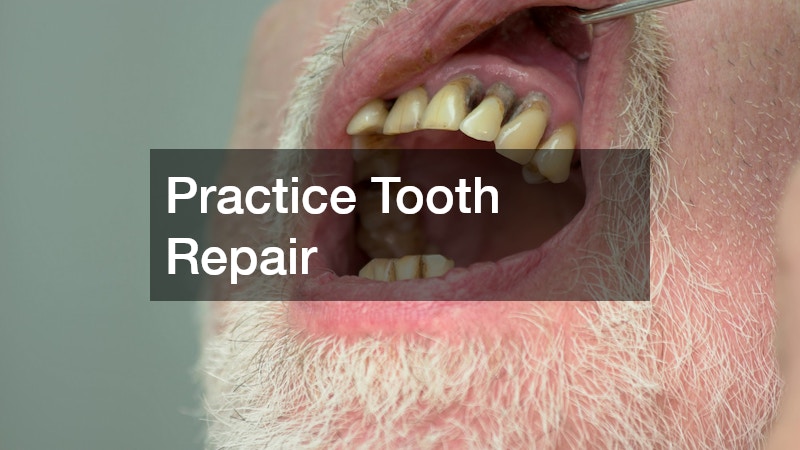
Practicing tooth repair is a core component of dental education. Students spend countless hours in labs learning techniques to restore decayed, fractured, or damaged teeth. This hands-on practice is critical for building the precision, confidence, and dexterity required in clinical settings. Tooth repair teaches students the value of patience and attention to detail, as even minor errors can affect a procedure’s outcome.
In more specific terms, students often start by working on artificial teeth or simulators before progressing to supervised patient care. They learn to apply fillings, sealants, and other restorative materials while following strict protocols. By repeatedly practicing these procedures, students develop muscle memory and problem-solving skills that allow them to handle real-life cases efficiently and safely.
Learn About Crowns
Dental crowns are a fundamental part of restorative dentistry, and understanding their design and function is essential for aspiring dentists. Students study the materials, shapes, and techniques involved in preparing a tooth and placing a crown to restore both function and aesthetics. Crowns provide protection and longevity to damaged teeth, making them a critical skill for dental professionals.
Specifically, students learn to assess when a crown is necessary, take accurate impressions, and properly shape the tooth for fitting. They also practice selecting the right materials, such as porcelain or metal, based on patient needs and cosmetic considerations. This hands-on exposure ensures that students graduate with confidence in one of dentistry’s most common restorative procedures.
Master Dental Bridges
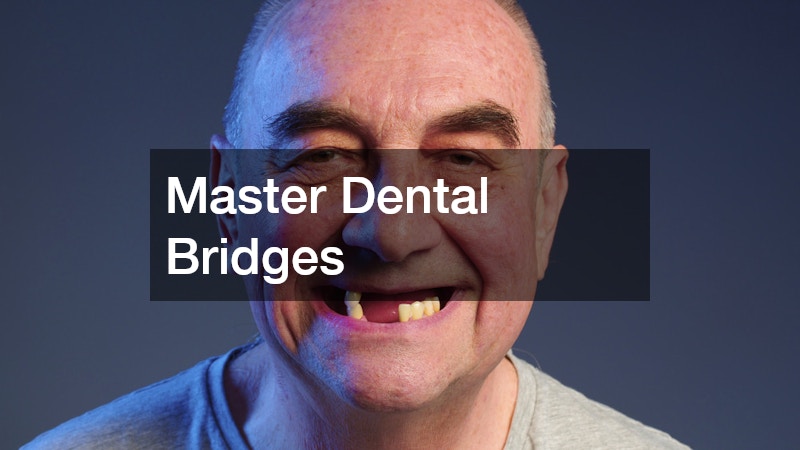
Dental bridges allow students to address more complex restorative challenges, such as replacing missing teeth. Learning about bridges introduces the importance of integrating both function and aesthetics, as the procedure must restore bite alignment and appearance. Understanding dental bridges also emphasizes teamwork, as multiple steps—from preparation to impression to final fitting—require precise coordination.
In practical applications, students work on models and patient simulations to practice creating bridges that fit seamlessly. They learn techniques for anchoring the bridge, selecting appropriate materials, and evaluating long-term durability. Mastering dental bridges gives students the ability to offer solutions that enhance oral health while maintaining patient confidence and comfort.
Explore Cosmetic Dentistry
Cosmetic dentists focus on improving the appearance of smiles, which is an essential skill for modern dental professionals. Students learn how aesthetic enhancements, such as teeth whitening, veneers, and contouring, can boost patient confidence. Studying cosmetic dentistry also teaches the importance of balancing function with appearance, ensuring that treatments are both visually pleasing and medically sound. Additionally, understanding patient psychology and communication becomes crucial, as cosmetic procedures often involve managing expectations and personal preferences. Developing an eye for detail helps students create results that are not only beautiful but also harmonious with a patient’s overall oral health.
Specifically, students practice assessing patient needs, designing treatment plans, and executing procedures that enhance a smile while preserving dental health. Through lab work and supervised clinical practice, they refine techniques like enamel shaping, veneer application, and shade matching. This combination of artistry and precision prepares students to meet the growing demand for cosmetic dental services. Students also learn to evaluate long-term outcomes and maintain aesthetic results over time, ensuring both function and beauty are sustained. Exposure to a variety of cosmetic cases allows students to adapt techniques to diverse patient needs and achieve consistently high-quality results.
Handle Insurance Tasks

Understanding insurance agencies is a vital administrative skill for dental students. Beyond clinical expertise, future dentists must navigate the financial aspects of patient care. Learning how insurance policies work, filing claims, and coordinating with agencies ensures that students can manage practice logistics efficiently and provide clear guidance to patients.
More specifically, students may take courses or internships that teach billing codes, pre-authorization processes, and claim follow-ups. By gaining practical experience with insurance agencies, students develop a well-rounded skill set that combines clinical excellence with administrative competence—essential for running a successful dental practice.
Manage Student Meals
Balancing studies, labs, and clinical hours often leaves dental students little time for cooking. Meal deliveries become an essential tool for maintaining energy and focus during long days. Proper nutrition supports cognitive function, endurance, and overall well-being, making meal planning a critical part of a student’s routine.
Specifically, students often use meal deliveries to supplement quick meals during late-night study sessions. Ordering balanced meals allows them to prioritize learning without sacrificing health. Strategic use of meal deliveries ensures that students remain alert and productive while juggling the demands of dental school.
Do Laundry Efficiently

Laundry may seem mundane, but staying on top of chores like washing scrubs and personal clothing is crucial for maintaining a professional appearance. Using a laundromat efficiently saves time and keeps students organized, which directly impacts their ability to focus on studies and clinical practice.
In detail, students often schedule laundry around classes or lab sessions, use organizational systems for sorting and folding, and maintain supplies to streamline the process. Efficient use of a laundromat reduces stress, allowing students to dedicate more attention to mastering dental skills while maintaining personal hygiene standards expected in clinical environments.
Organize Your Apartment
Maintaining a clean and organized apartment is more than just comfort; it supports mental clarity and effective study habits. Students learn that a well-structured living space reduces distractions, making it easier to focus on coursework, lab assignments, and exam preparation.
Specifically, organization strategies include designated study areas, proper storage for textbooks and dental instruments, and scheduled cleaning routines. By creating an orderly environment in their apartment, students foster habits that mirror the precision and attention to detail required in dentistry.
Order Quick Takeout
Even with careful planning, busy days can leave dental students with little time to cook. Ordering Chinese takeout offers a convenient and satisfying option to stay nourished during long study sessions or after clinical practice. Quick meals allow students to focus on learning while still fueling their bodies for demanding schedules.
In practice, students often pair takeout with structured breaks, ensuring that they maintain energy levels and avoid burnout. Balancing convenience with nutrition supports sustained performance in labs, clinics, and classrooms, helping students meet the physical and mental demands of dental education.
Studying smiles and preparing for a dentistry career requires more than academic dedication; it demands a holistic approach that combines technical skill, personal discipline, and life management. College students aspiring to become dentists must prioritize daily dental care to model the standards they will later uphold as professionals. Maintaining oral health through consistent brushing, flossing, and check-ups reinforces the principles of preventive dentistry while supporting their own well-being. In tandem, practicing tooth repair allows students to translate theory into practice, developing the dexterity, patience, and precision essential for restorative procedures that impact patient health and satisfaction.
Advanced restorative techniques, such as learning about dental crowns and mastering dental bridges, equip students to handle common and complex dental challenges. Dental crowns teach students how to restore damaged teeth with durability and aesthetic consideration, while dental bridges demonstrate how to replace missing teeth with functional solutions that enhance both oral health and confidence. Exploring cosmetic dentistry further emphasizes the artistry inherent in dentistry, guiding students in techniques like veneers, whitening, and smile design to meet growing patient expectations. Each of these clinical skills builds the foundation for a career that blends science with artistry.
However, preparing for dentistry extends beyond clinical expertise. College students must navigate insurance agencies to understand billing, claims, and patient communication, ensuring they are ready to manage the administrative demands of a practice. Daily life tasks, such as managing meal deliveries, doing laundry efficiently at a laundromat, and organizing an apartment, play a critical role in maintaining energy, focus, and mental clarity. Even simple strategies, like ordering Chinese takeout during a busy day, allow students to maintain proper nutrition and prevent burnout, ensuring that personal responsibilities complement rather than hinder their academic and professional development.
Ultimately, the journey of studying smiles is a balance of professional preparation and personal discipline. By integrating dental care, hands-on training, aesthetic understanding, and life management skills, college students position themselves for success in a competitive and rewarding field. From mastering tooth repair to handling advanced procedures like crowns and bridges, learning cosmetic dentistry, managing administrative tasks, and maintaining daily routines, each aspect contributes to the holistic preparation needed for dentistry careers.
By approaching education in this comprehensive manner, students not only gain the technical expertise required to excel in dental practice but also cultivate the organizational, nutritional, and lifestyle habits that support sustained success. Preparing for a dentistry career is about more than knowledge—it is about shaping a lifestyle that prioritizes precision, empathy, and professionalism. With strong habits, practical skills, and a balanced approach to daily life, college students can confidently gear up to transform smiles and build thriving careers in dentistry.